
Lessons from a rundown gas station: customer experience, loyalty and leading change
Some of the most valuable leadership lessons come from the opportunities we least want. One of mine began the morning after my 18th birthday.
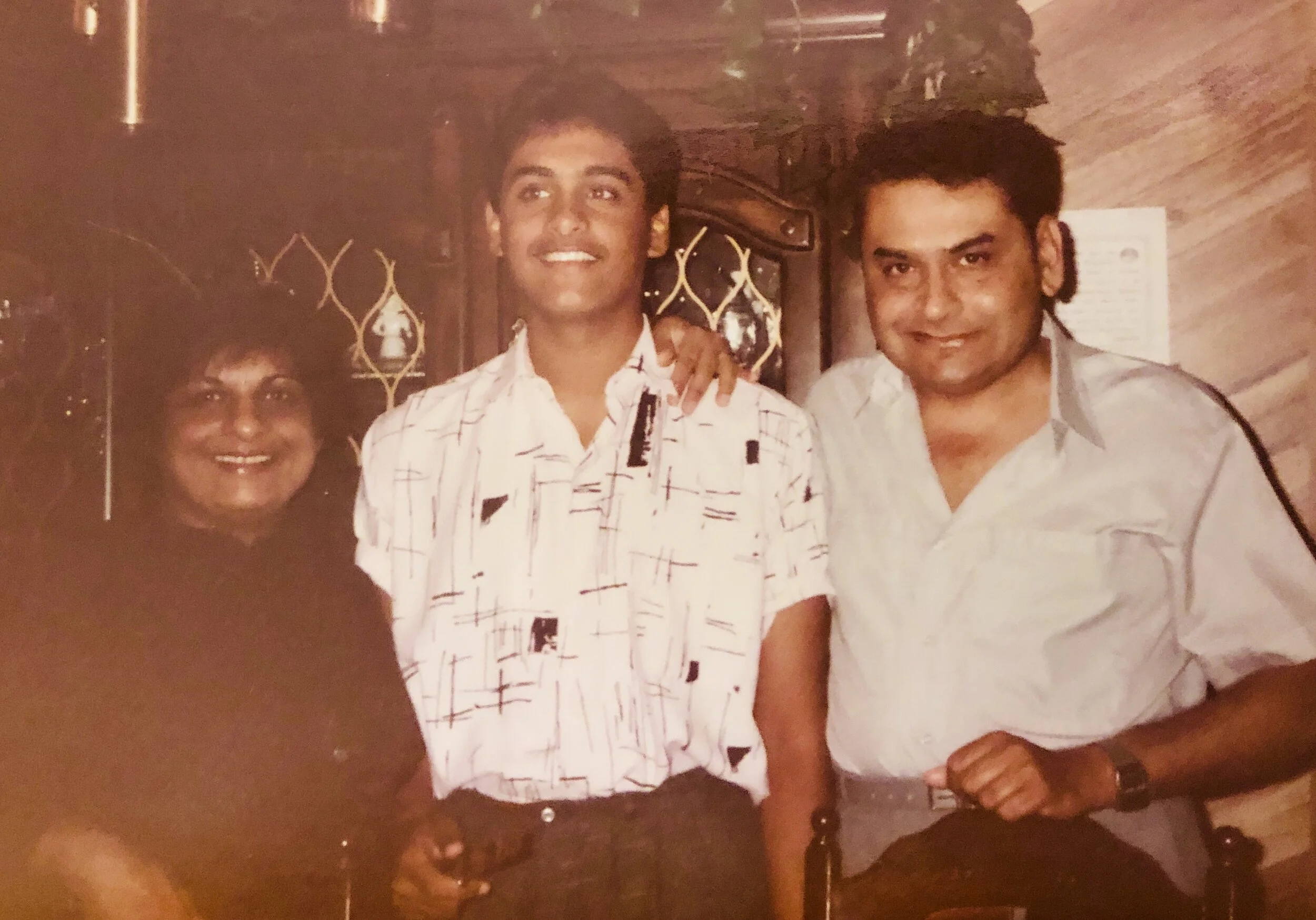
Cutting my cake with my parents on my 18th birthday
A broom, not a new car
Two weeks after high school graduation, my dad woke me at 7 a.m. and asked me to meet him at an address on 12th Street in New Westminster. There were car dealerships on that street, and for a moment I let myself wonder. Instead, I pulled up to the most run-down gas station and self-serve car wash I had ever seen, in a low-income neighbourhood not far from where I grew up. My dad had taken a last-minute opportunity to buy the business, and he needed my help. He handed me a broom.

The gas station and car wash on 12th Street, 1987
This was not the summer I had planned. A few weeks in, a friend offered me a job at a men's suit store. I loved wearing suits. But I could not bring myself to tell my dad, so I told my mom, which is how difficult news travelled in our house. That evening my dad asked me about the job. He listened, asked what it paid, and observed that it was less than I was earning at the station. "OK then," he said. And that was that.
To my surprise, I did not feel disappointed. I felt clear. My dad was not looking for another pump attendant. He needed someone he could trust with responsibility. Once I understood that, everything changed.
Lessons in loyalty and judgment
That summer I discovered that my dad, who had left school at 15 to work in the family business, was a sharp businessman and a gifted teacher. One lesson stands out. The owner of a local security company came by to renew our alarm monitoring contract, and I confidently told him we would probably consolidate with the larger company that served my dad's other stations. I felt rather shrewd. The next day my dad explained that this man fuelled his entire fleet with us, that his rates were only slightly higher, and that the big company's service was poor. Supporting other local businesses, he said, was how we earned our place in the community.
I learned that reciprocity and loyalty matter, that the lowest price is not everything, and that small businesses should support each other.
Over the next five years, working there part-time through university, I also learned not to judge people by appearances. A well-dressed man once begged me for ten dollars of gas to take his mother to church, then sped off shouting a racist slur. A couple in leathers and tattoos, whom I nervously apologized to because we had no promotional giveaway, became loyal customers who filled up with us every week for years.
Changing what you can
At university I switched my major from biology to business, and the station became my laboratory. My first ambitions were grand: tear it down and build something beautiful. Then I learned that the property's zoning meant we could never rebuild. The building could not change.
So we changed everything else. Inspired by In Search of Excellence and the case studies in my organizational behaviour class, we focused on the experience instead of the building. We trained our young staff to learn every customer's name and to have their usual purchase ready before they reached the counter. We listened to customers' stories. When one customer worried about her son's confidence, we hired him. The station became something like a neighbourhood pub, a regular stop for residents and commuters alike. Along the way, fuel volume tripled, car wash revenue grew by double digits, and in-store sales went from nothing to something.
Years later, reading Bharat Anand's The Content Trap, I was struck by its argument that the most successful digital businesses grew not because of their products alone but because of the connections they created between people. I had learned the same lesson at a gas station in the late 1980s.
What this means for leaders and teams
- Trust changes commitment. My commitment shifted the moment I realized my dad was trusting me, not just employing me. The same is true for the people we lead.
- Loyalty and relationships are strategic. Decisions made on price alone can quietly erode the relationships that sustain a business.
- Lead change within your real constraints. When you cannot change the structure, change the experience, the relationships and the culture.
- Suspend judgment. First impressions are a poor guide to character, in customers and in colleagues.
Questions to reflect on
- Which unwanted opportunity taught you the most?
- Where in your organization are you focused on the "building" when the real opportunity lies in the experience and the relationships?
This post is part of the Defining Moments series. A version of this story first appeared on shakeelbharmal.com, in two parts.